Sing to Remember: Music for Vocabulary and Grammar Mastery
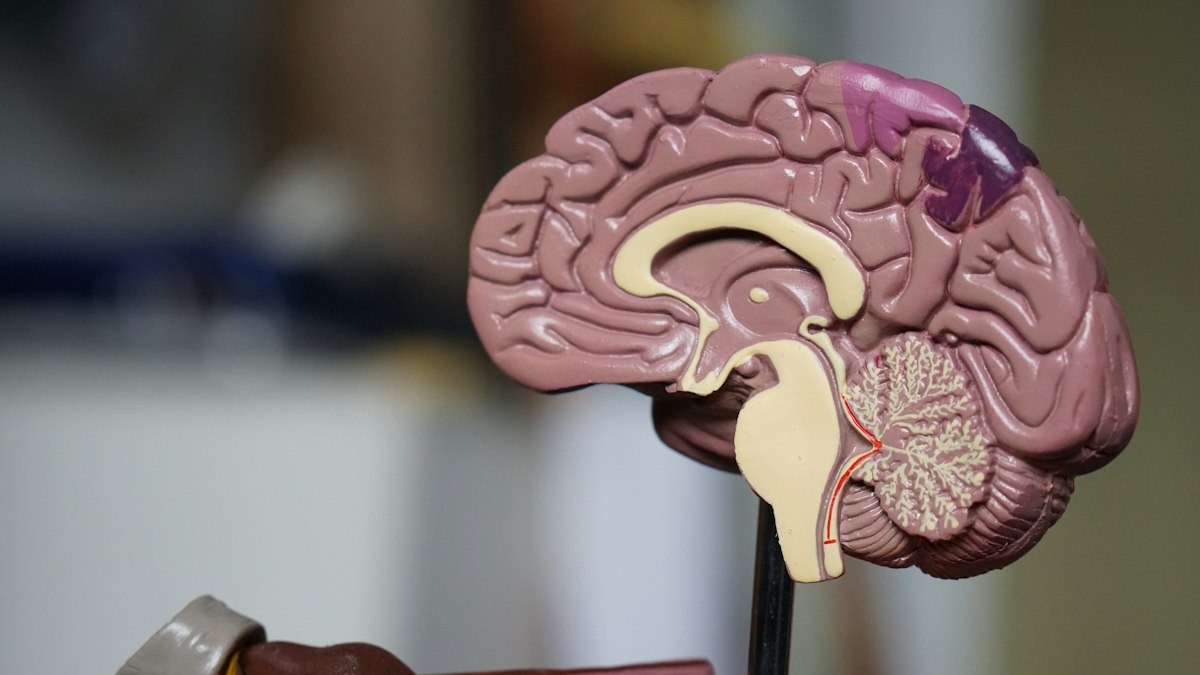
Harness melody and rhythm to lock words and patterns into long-term memory. Here’s a science-backed, step-by-step method to turn songs into a daily language workout.
We all learned an alphabet song before we learned what an alphabet was. That’s the power of melody: it packages information so your brain keeps replaying it. In language learning, music isn’t background noise—it’s a memory machine. Use it well, and you can memorize vocabulary faster, internalize grammar patterns, and improve pronunciation with less grind.
Why music works for memory
- Rhythm creates chunks: Beats group syllables into predictable units, reducing cognitive load.
- Melody builds retrieval routes: Tunes act as cues that trigger the next word or ending.
- Emotion raises the stakes: Songs that move you are rehearsed more—voluntarily.
- Repetition is built-in: Choruses, hooks, and bridges give you spaced review inside a single track.
- Motor memory joins in: Singing aloud engages breath, articulation, and timing, reinforcing recall.
What to sing: picking the right materials
Choose tracks that teach, not just entertain.
- Clear diction and moderate tempo. If you can’t shadow a line at 80% speed, it’s not a starter.
- Repetition-rich structure. Choruses, refrains, or call-and-response are gold.
- Thematic focus. Songs that cluster related words (food, feelings, travel) boost associative memory.
- Clean transcripts. Find lyrics you can trust; align them with translations you understand.
- Mix of real songs and “micro-songs.” Real music for input and vibe; short custom jingles for grammar.
Turn grammar into a chorus
You don’t have to wait for the perfect “grammar song.” Make one.
- Pick a tiny target: one tense’s endings, a set of prepositions, or a question pattern.
- Map to a 4-beat loop. Put each ending or word on a beat so your tongue learns the rhythm.
- Add contrast lines. Sing a minimal pair (singular vs. plural, formal vs. informal) back-to-back.
- Keep it catchy. Rhyme, alliteration, or a silly image can anchor a rule.
Examples of what to encode (without listing full paradigms):
- Conjugation shells: stem + endings over four counts.
- Case-triggering prepositions bundled into a rhyme.
- Word order templates (e.g., time–manner–place) chanted with gestures.
- Politeness levels or particles sung with rising/falling intonation to mark function.
Build a simple song study routine
A little structure turns songs into study.
- Select and annotate (5 minutes)
- Choose one song (real) and one micro-song (your jingle).
- Mark unknown words, then trim to 5–10 high-value items.
- Color-code grammar targets in the lyrics.
- Loop and shadow (7 minutes)
- Play the chorus on repeat. Speak it, then whisper-sing, then full-voice.
- Use a metronome or slow-down tool at 75–90% speed. Stay on beat.
- Alternate: listen once eyes closed, then read and mimic mouth shapes.
- Retrieve without music (5 minutes)
- Close the lyrics and recite the chorus. Fill blanks from memory.
- For grammar: sing your micro-song to a clap. No track allowed.
- Lock it in (3 minutes)
- Record yourself. One clean take at comfortable speed.
- Note one pronunciation fix and one new word to reuse today.
Total: about 20 minutes. Repeat 4–5 days with the same pieces, then rotate.
Make vocabulary stick with hooks
- Rhyme chains: group three related words and craft a rhyming line.
- Alliteration: repeat initial sounds for a mini-tongue twister.
- Image tags: pair a vivid mental picture with a lyric line.
- Movement: add a gesture to each new word during the chorus. Kinesthetic cues help retrieval.
- Call-and-response: cue yourself with the native line, answer with your translation or definition.
To extend learning, build a “lyric deck”:
- Side A: a line with one key word blanked out.
- Side B: the missing word, a synonym, and a short example.
- Review by singing the line and slotting in the answer on the beat.
Pronunciation and prosody gains (and limits)
Songs teach more than words—they teach sound systems.
- Intonation and stress: mimic the singer’s phrasing to map the language’s melody.
- Vowel length and consonant clusters: hold notes to feel tongue and jaw positions.
- Caution: singing can stretch vowels and flatten speech rhythm. After singing, speak the same line in natural speech to calibrate.
Pitfalls to avoid
- Misheard lyrics: always verify with a reliable transcript.
- Speed traps: don’t train errors at full tempo. Master slowly, then nudge faster.
- Slang overload: note register and region. Tag songs as casual, standard, or dialectal.
- Passive listening: humming along isn’t study. Build retrieval without the track every session.
Quick tools you can use
- Audio slow-down/loopers to isolate tricky segments.
- Karaoke or instrumental versions for clean shadowing.
- Flashcards with cloze deletions for lyric lines and grammar jingles.
- A simple recorder app to track progress and spot pronunciation drift.
Practical takeaway
Pick one song and one 15-second grammar jingle. Spend 20 minutes a day for a week:
- Day 1–2: annotate, slow-loop, and shadow the chorus; build the jingle.
- Day 3–4: retrieve without music, record a take, make three lyric cloze cards.
- Day 5–6: increase tempo, add five themed words with rhymes or gestures.
- Day 7: perform both pieces from memory, then speak the lines naturally.
If it sticks, keep the song in a weekly review and promote a new track. Within a month you’ll have a small playlist that doubles as a personalized phrasebook and grammar toolkit—set to a beat your brain won’t forget.